Electrical Checks After Flood Damages
After flooding damage, you require to focus on safety and security by separating power prior to any type of inspections. Look for visible indications of water direct exposure, rust, or mold around receptacles, buttons, and electrical wiring. Examination breaker and fuses for dampness damages, and utilize a GFCI tester on receptacles. File all findings for insurance company cases and think about expert aid to make sure everything's safe and functional. Continuing to discover this topic can provide you with vital preventative steps for future flooding situations.
Takeaways
- Turn off the main power supply and get in touch with a qualified electrical contractor to inspect all electric systems prior to re-energizing.
- Look for noticeable indications of water damages, corrosion, and mold around outlets, switches, and wiring.
- Use dampness meters to examine dampness in insulation and electrical wiring; change any kind of damaged parts.
- Examination outlets with a GFCI tester to make certain safety and capability, replacing any type of compromised receptacles.
- File all damage extensively and consult your insurance firm to deal with flood-related cases and insurance coverage.
Comprehending Flooding Dangers to Electric Systems
Concerning flood damage, understanding the threats to electrical systems is important for safety. When water infiltrates your cellar, it can compromise electrical wiring and outlets, bring about dangerous energization. If your electric system's parts are immersed, they're at threat of short-circuiting or creating electric fires when reactivated.
Insurance policy readiness is vital; make certain your plan covers flood-related events especially, as common home owner's insurance policy commonly does not. Paper any damage extensively and seek advice from your insurance firm prior to waging repairs to prevent unanticipated expenses. Prior to you take into consideration re-energizing your basement, it's crucial to have actually a certified electrical contractor examine all electric systems to evaluate their safety and capability. Taking these safety measures can aid protect both your building and your wellness.
Immediate Safety And Security Measures Prior To Assessments
Before you start any examinations after flood damage, it's vital to transform off the power supply to prevent electric shocks. Next, carefully inspect for visible damage, as this can help you assess the level of the danger. Don't fail to remember to put on protective equipment to ensure your safety throughout the procedure.
Turn Off Power Supply
When dealing with flooding damages, it's crucial to reduce off the power supply instantly to guarantee your safety and security prior to beginning any kind of inspections. Adhere to these actions to ensure a secure environment:
- Locate the Isolation Change ****: Prior to anything else, discover the isolation button for your electric system. This will certainly help you separate power to the entire system securely.
- Perform Generator Shutdown: If you have a generator, closed it down correctly to prevent back-feed into the grid, which can pose significant risks to you and initial -responders.
- Examine for Water Damage: After shutting off the power, check out for any kind of signs of water breach near electric receptacles and home appliances.
Check for Visible Damage
As soon as the power supply is shut off, it's time to check for noticeable damage to your electric system. Start by examining receptacles, switches over, and electrical wiring for indicators of water direct exposure. Try to find staining, which may indicate mold and mildew development or wetness retention. Examine home appliances for any type of rust, especially on steel elements, as this can posture severe security risks. If you identify any frayed cords or scorched locations, note them for further examination. Be mindful of any kind of sticking around smells, as they can signal much deeper issues. Paper all searchings for, as this will certainly aid professionals examine the scenario a lot more properly. Bear in mind, your security is extremely important, so stay clear of touching anything that appears unstable or compromised.
Use Protective Devices
While examining electric systems after flood damages, putting on proper safety equipment is necessary for your security. Floodwaters can carry hazardous products, making it important to shield yourself effectively. Right here's what you should put on:
- Rubber Rubber gloves: These shield versus electrical shock and impurities. Make certain they're in great condition with no tears or openings.
- Face Guard: This guards your face from possible sprinkles or debris during the inspection. A full-face guard is perfect for optimum coverage.
- Non-slip Boots: Waterproof, non-slip boots keep your ground secure in wet problems and protect your feet from sharp items.
Signs Your Electric System Is Endangered
After a flooding, it's necessary to look out for signs that your electric system may be endangered. Look for noticeable water damage around outlets and electrical wiring, as this can suggest severe problems. Additionally, flickering lights might indicate underlying problems that call for instant attention to ensure your security.
Noticeable Water Damage
Frequently, noticeable water damages can show that your electric system is compromised. If you observe signs of flooding, it's vital to assess your electrical wiring and receptacles meticulously. Search for these indicators:
- Tarnish Patterns: Staining on walls or ceilings recommends prolonged direct exposure to moisture, which can influence electrical elements.
- Mold Development: Any kind of mold around receptacles or electrical panels can signal significant issues and increase health threats.
- Deterioration: Rust or corrosion on cables or connections can result in shorts or failures, necessitating immediate focus.
Dealing with these indications quickly can aid protect against additional damage and ensure your security. Constantly speak with a certified electrical contractor if you suspect your electric system has actually been influenced.
Flickering Lighting Issues
If you discover flickering lights in your house, it can be a caution indicator that your electrical system has been endangered, especially after experiencing flooding. This problem frequently shows problems with the electrical wiring or parts, like LED vehicle drivers, which may have been affected by dampness. Flooding can result in corrosion and brief circuits, triggering voltage spikes that disrupt the typical circulation of power. If you're experiencing this issue, it's essential not to overlook it. Flickering lights can symbolize much deeper issues that could rise into security threats, such as electric fires. Have actually a qualified electrician inspect your system right away to ensure every little thing's secure and useful. Taking swift activity can prevent further damage and secure your home.
Exactly How to Securely Detach Power After a Flood
When floodwaters increase, it's necessary to focus on security by disconnecting power to prevent electric dangers. Comply with these actions to safely disconnect your power:
- Close Off Key Power: If it's safe to do so, situate your main breaker and transform it off to stop electrical circulation. Avoid standing in water while doing this.
- Isolate Batteries: If you have battery back-up systems, make particular you perform battery isolation to avoid damage or brief circuits.
- Generator Positioning: If you need to utilize a generator, place it outdoors, away from doors and windows, to prevent carbon monoxide gas buildup.
Constantly workout caution and consult a professional if you're unsure about any kind of actions. Safety should constantly precede.
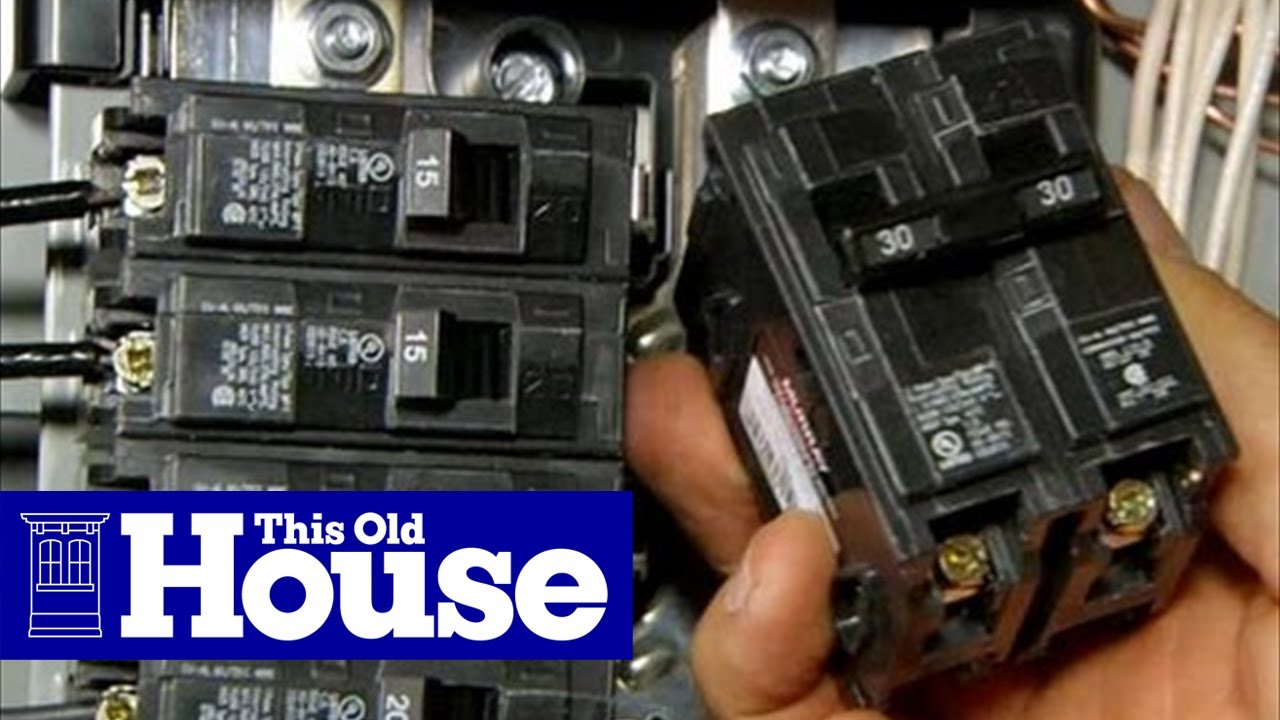
Exactly How to Examine Circuit Breakers and Fuses for Water Damage
After flooding, it's vital to thoroughly check your breaker and merges for water damage. Start by shutting off the main power supply to assure security. Evaluate each breaker for signs of water direct exposure or rust; any type of visible corrosion indicates potential breaker corrosion, which can jeopardize functionality. If you notice any damage, think about changing that breaker quickly.
Next off, take a look at merges for staining or wetness. If a fuse appears damaged or shows indicators of water breach, you'll need a fuse substitute to avoid electrical risks. Always maintain your safety in mind; if you doubt regarding any kind of aspect of the examination, consult a licensed electrical expert. Taking these electrician sturry safety measures can assist safeguard your home from future electric issues.
Examining Electrical Electrical Wiring for Moisture
While evaluating your home for flooding damage, examining the electric wiring for wetness is vital to ensuring safety and capability. Adhere to these actions to evaluate prospective concerns:
- Use Wetness Meters: Examine wiring insulation and bordering products for wetness levels. High analyses indicate the need for prompt action.
- Inspect Insulation: Look for signs of dampness or destruction in insulation. Correct insulation drying is critical to avoid electrical risks.
- Evaluate Electrical Wiring Condition: Examine subjected wires for corrosion or wear. Damaged electrical wiring can result in shorts or fires.
If you discover moisture, it's best to get in touch with a specialist electrical expert. They can ensure your circuitry is risk-free and completely useful prior to you restore power. Your safety and security is extremely important.

Just How to Test Electrical Electrical Outlets and Changes
Checking electric outlets and buttons is necessary to validate they're risk-free and operational after flood damages. Initially, evaluate each outlet for noticeable indicators of dampness or damages. Use a GFCI tester to check ground-fault circuit interrupters; press the "test" switch to guarantee it journeys and the "reset" switch to recover power. Next off, perform polarity verification with a multimeter or polarity tester; ensure the warm and neutral wires are correctly connected. If you find any kind of abnormalities, it's important to address them immediately. Bear in mind, also if an outlet shows up dry, interior damage can still exist. Constantly prioritize safety and security-- shut off power before screening and wear insulated handwear covers. If you're uncertain, it's ideal to seek professional aid.
Why You Ought To Call a Pro for Electrical Inspections
Offered the prospective dangers prowling within a flood-damaged electric system, calling a specialist for inspections is essential. Qualified electrical contractors have the experience to determine surprise dangers that can conveniently be ignored. Below are three reasons to hire a pro:
- Thorough Assessments: Professionals use sophisticated techniques like thermal imaging to identify warm spots or malfunctioning circuitry, guaranteeing security.
- Regulatory Compliance: Certified electrical experts understand neighborhood codes and regulations, making sure all fixings satisfy safety requirements.
- Danger Mitigation: They can determine hazardous situations that could cause electrical fires or shocks, protecting against future issues.
Do not take opportunities with your security. Depending on a professional for examinations not only safeguards your home however also offers you reassurance after flooding.
Common Repairs Needed After Flooding Damage
After flooding damages, it's vital to evaluate your electrical circuitry thoroughly, as moisture can trigger considerable issues. You might require to replace damaged receptacles and examination breaker to ensure whatever functions safely. Resolving these repair work without delay can aid stop even more threats in your home.
Inspecting Electrical Electrical Wiring
When floodwaters invade a home, the integrity of electrical wiring is often endangered, making it vital to perform a detailed inspection. Start by assessing the electrical wiring for visible damage. You need to execute the following checks:
- Cord Looking up: Recognize any exposed or damaged wires, ensuring they're effectively linked and undamaged.
- Insulation Checking: Check the insulation for moisture damage, which can bring about short circuits or electrical fires.
- Connections and Joint Boxes: Evaluate links and junction boxes for rust or put on, as these can posture severe safety and security risks.
Taking these actions can aid you figure out if repairs are essential or if it's much safer to replace the circuitry completely. Constantly prioritize safety and speak with an expert if you're unsure.
Replacing Broken Electrical Outlets
Examining electrical circuitry typically discloses the need for additional fixings, specifically in receptacles that have been submerged in floodwaters. If you locate damaged electrical outlets, it's crucial to replace them promptly to ensure safety and security. Ground mistake circuit interrupters (GFCIs) are very suggested, specifically in areas susceptible to wetness. Consider mounting tamper-resistant receptacles to avoid unexpected shocks.
Here's a quick guide to help you comprehend the kinds of outlets and their attributes:
Electrical outlet TypeFeaturesSuggested Use Requirement OutletStandard performanceGeneral use GFCI Electrical outletSecures versus ground mistakesDamp areas (washrooms, cooking areas) Tamper-Resistant OutletPrevents unexpected insertionChild safety and security Weather-Resistant Electrical outletLong lasting versus elementsOutside usage USB OutletBuilt-in billing portsModern convenienceReplacing your electrical outlets without delay is necessary for safety and security.
Screening Circuit Breakers
Checking circuit breakers is important after flood damage, as they can end up being compromised when revealed to water. You need to make sure they're functioning appropriately to stop threats. Below's a quick checklist to follow:
- Inspect for Damage: Seek any noticeable corrosion or water damages on the breakers. If you see any issues, replace them instantly.
- Test Ground Mistake Breakers: Reset ground fault circuit interrupters (GFCIs) to ensure they're functional. They're developed to stop electrical shock in wet conditions.
- Inspect Breaker Identifying: Verify that all breakers are correctly identified. This helps in promptly recognizing circuits during emergencies.
Taking these actions can aid keep your home secure and make certain your electrical system runs properly after flooding.
Preventative Steps to Secure Your Electrical System in Future Floods
While flooding can ruin your electrical system, taking proactive procedures can markedly decrease future risks. Raising your home is a vital step; it assists maintain electric components above prospective flooding degrees. Think about installing submersible pumps to take care of water during heavy rains, and routinely check your drain systems for blockages. Furthermore, review your flooding insurance coverage to make particular it covers electrical damage appropriately. Using water resistant enclosures for receptacles and circuit breakers can likewise assist shield your system. Finally, get in touch with a qualified electrical contractor to assess your current configuration and recommend any kind of required upgrades. Taking these steps can greatly minimize the danger of electric damage in future flooding occasions.
Regularly Asked Inquiries
How Lengthy Does It Consider Electric Damages to Program After Flooding?
Electric damage from flooding can show signs almost promptly, however it often takes some time for problems like delayed deterioration to come to be apparent. You must perform an immediate assessment after a flooding to assess any kind of noticeable damage. However, rust could not show up immediately; it can develop over days or weeks, influencing links and parts. It's vital to remain cautious and check your electric system very closely for any type of modifications or malfunctions.
Can I Utilize My Home Appliances After Drying Them Out?
It's appealing to utilize your home appliances after drying them out, but it's risky. In truth, around 25% of home appliances can experience surprise damage from water direct exposure. Prior to utilizing anything, you ought to have a expert inspection and testing done. They can determine potential risks and ensure safety. Don't take possibilities-- proper examination is vital to avoid electrical shocks or fires. Constantly focus on safety and security over benefit as concerns your home appliances.
Are Insurance Policy Cases Readily Available for Flood-Damaged Electrical Systems?
Yes, insurance asserts are typically readily available for flood-damaged electrical systems, but it depends on your policy coverage. You'll need to evaluate your policy restrictions and recognize what's covered. Gather case proof, like photos and repair work quotes, to support your instance. Some policies may consist of repair endorsements for certain problems. It's necessary to contact your insurance provider without delay to discuss your circumstance and ensure you're complying with the appropriate cases process.
What Are the Long-Term Impacts of Flooding Damage on Circuitry?
Flood damages can result in significant long-term results on wiring, like deterioration acceleration and insulation deterioration. Water exposure can trigger metal components to corrosion, which compromises their honesty and function. Insulation may break down in time, leading to raised threat of brief circuits or electric fires. It's crucial to assess any water-damaged circuitry completely and consider replacing it to assure safety and reliability in your electric system moving ahead.
Just How Can I Prevent Mold And Mildew Development in Electric Areas After Swamping?
To avoid mold and mildew growth in electric locations after flooding, you should initially make sure all dampness is gotten rid of. Install moisture obstacles to maintain moisture at bay, and apply anti-mold finishings to surfaces. Routinely look for leaks and preserve appropriate ventilation. Keep in mind, also percentages of wetness can cause mold, so be watchful. It's important to act rapidly and completely to safeguard your electric systems from possible damages and wellness risks.